

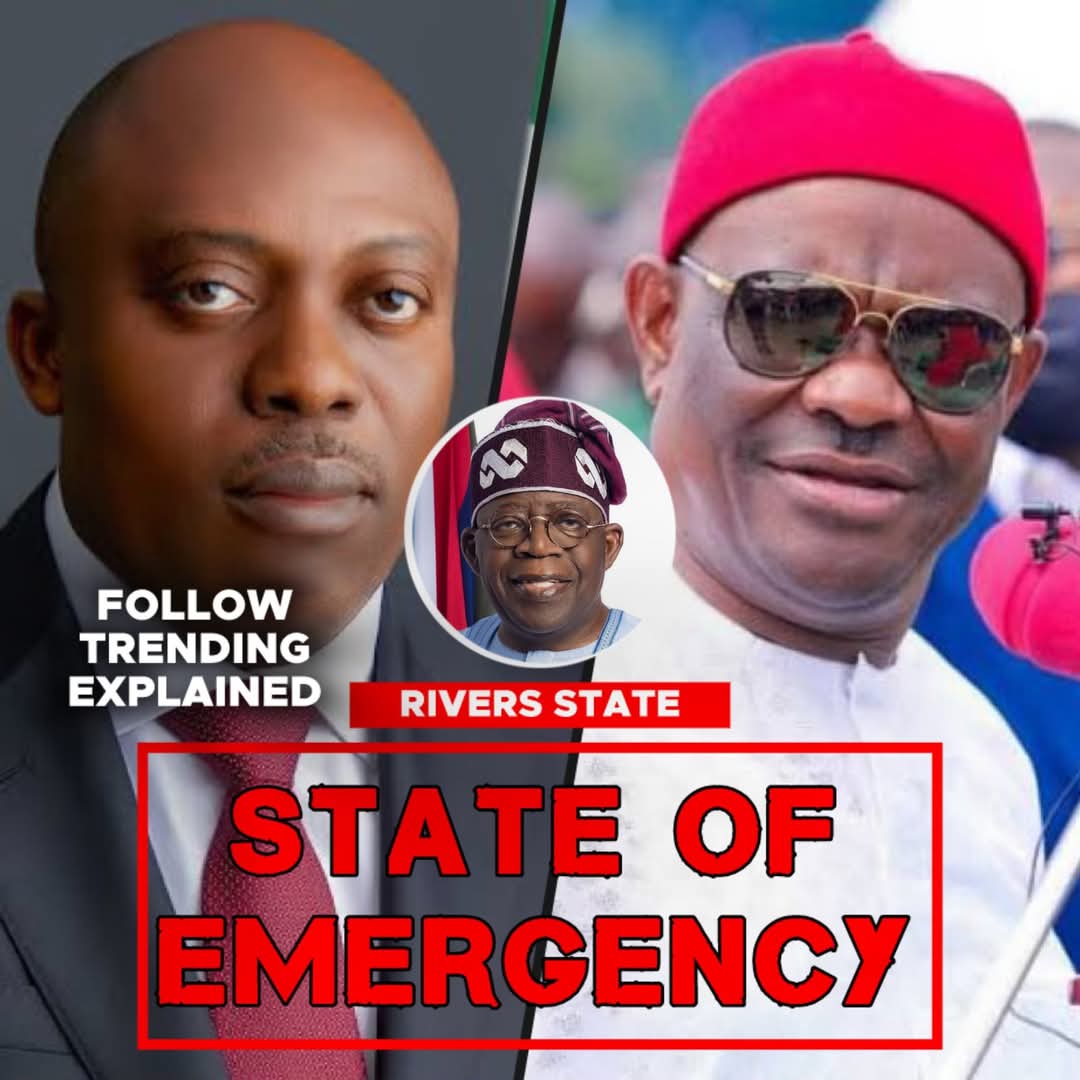
Rivers Cries 2025–The Power Struggle in Nigerian Politics: Why We Choose Strength Over Strategy
The Rivers Crises is happening because Nigerians admire power over strategy, but at what cost? This article explores the obsession with strong leadership, past election patterns, and why force continues to dominate Nigerian politics.
Introduction
In politics, power isn’t just about governance—it’s about perception. In Nigeria, the Presidency is the most powerful institution, far beyond any spiritual or traditional authority.
The Nigerian leader wields immense influence, capable of shaping the nation’s fate with a single decision.
Before the last elections, I warned that Aso Rock is the most powerful shrine in the country.
The person who occupies that seat controls the lives of millions, making it crucial to choose a leader who understands the weight of that responsibility.
But Nigerians often prioritize power over wisdom—and history keeps repeating itself.
Why Nigerians Love the Show of Power
In our society, strength is often measured by how forceful a leader is. We admire those who:
- Crush their enemies by jailing or silencing them.
- Assert dominance through threats and political maneuvers.
- Use wealth as a weapon to intimidate others.
On the other hand, leaders who show restraint are seen as weak.
If a politician doesn’t throw their weight around, they are disrespected. Nigerians mistake self-control for a lack of power, failing to see the strategic intelligence behind it.
This mindset influenced past elections.
Lessons from Past Elections: Power Over Strategy
- Goodluck Jonathan: The “Weak” President
- Former President Jonathan was criticized for being too soft. Instead of using force to impose his will, he governed with diplomacy.
- Many saw this as a flaw, which led to his defeat in 2015. Nigerians wanted a strongman, not a strategist.
- Buhari’s Era: Strength at a Cost
- General Muhammadu Buhari, a former military ruler, was voted in because of his reputation for toughness.
- However, his tenure left the country divided, with some regions feeling marginalized.
- The 2023 Elections: The “Weakest” Candidate Lost
- Among the top three candidates, Peter Obi was perceived as the least forceful.
- Predictably, he lost to the candidate who represented power.
- This pattern repeats because Nigerians admire dominance over diplomacy.
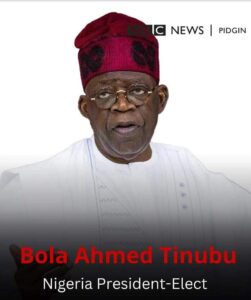
President Tinubu’s Leadership: A Reflection of Nigerian Values
Recently, President Bola Ahmed Tinubu made a controversial decision regarding Rivers State.
Some people are debating whether he had the constitutional power to suspend Governor Fubara, but the truth is clear: the Nigerian President has enormous authority.
Some critics say Tinubu is ruling with an iron fist. But before judging him, consider this:
- Many Nigerians prefer leaders who take drastic measures.
- If some of Tinubu’s critics were in power, they might do evmeasures.
- Citizens Sparks: Wike Diverts Public Funds
- Even Trump supporters are condemning him—yet they admire strong leadership in America.
This reveals a deeper problem. Nigerians demand power but criticize those who use it.
The Real Problem: Our Lust for Power
The issue isn’t just about Tinubu or past leaders—it’s about our collective mindset.
- We admire leaders who sound powerful, even if they lack strategy.
- We dismiss intelligence-driven politicians because they don’t “act tough.”
- We keep choosing force over wisdom, and the cycle continues.
The Rivers State crisis could have been resolved without excessive use of power. But in Nigeria, brute strength always wins over smart conflict resolution.
Until we change how we see leadership, we will keep electing power-hungry politicians while sidelining intelligent strategists.
https://www.facebook.com/share/p/15LMJcrMuF/
Final Thoughts
Many will criticize me for not attacking Tinubu. But before you insult me, ask yourself: What did you sacrifice for Nigeria during the last election?
If you contributed less than I did, respect my opinion. Otherwise, I might just exercise my power—the block button. After all, it’s the season of “operation show your power.”
